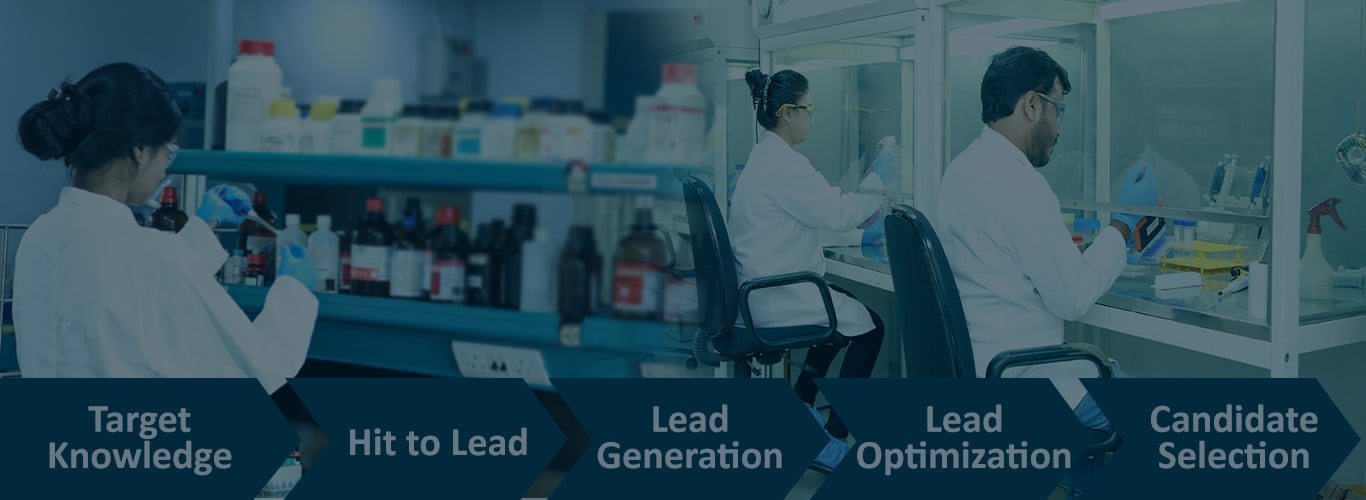
Traditionally, drug discovery, development, and clinical research were three virtually separate endeavors. Chemists, biologists and clinical researchers rarely, if ever, met together or even shared ideas. Life science R&D was focused on developing chemical compounds in the hope of a positive phenotypic outcome in a clinical trial. Moreover, without early stage genomic and proteomic sciences, there was little value to clinical data and samples post submission to the Food & Drug Association (FDA) or other regulatory agency.
|
|
Along the same lines, discovery research trials or patient registries, where diseased patient specimens and data are captured for research purposes, rather than clinical use as a part of a regulatory trial, did not exist. In addition, there was a lack of strong internal review board protections, as well as, privacy laws, such as the Health Information Portability and Accountability Act (HIPAA) in the United States, Ethical Guidelines to Biomedical Research and Human Subjects (EGBRHS) in India, and similar regulations in other countries around the world. From a technology perspective, information technology departments were forced to support multiple systems across many laboratories around the world, between discovery and development, and across different groups within each department.
Translational medicine challenges the traditional culture of drug discovery and development, and requires a level of business integration and technology infrastructure that transcends a single laboratory. The new paradigm of clinical research emphasizes a bi-directional process of bench to bedside and back.
According to the Journal of Translational Medicine
Translation medicine goes from bench to bedside, where theories emerging from preclinical experimentation are tested on disease-affected human subjects, and from bedside to bench, where information obtained from preliminary human experimentation can be used to refine our understanding of the biological principles underpinning the heterogeneity of human disease and polymorphism(s).
Under this new approach to life sciences discovery and development, organisations seek to identify genes and proteins that relate to a particular disease or phenotypic effect by analyzing patient genomic and phenotypic information gained in discovery and clinical trials. Chemical compounds or biologics are developed that target these identified genes or proteins. By focusing on the target and evaluating effect against diseased tissue, we can transition compounds or biologics to pre-clinical and clinical development with greater chance of success. We can then potentially re-use the specimens, as well as, the subject and clinical data captured during clinical trials for further discovery research.
Challenges for Translational Medicine:
Translational medicine incorporates aspects of both basic science and clinical research, and therefore requires skills and resources not usually available in a single laboratory or clinical setting. For this reason, many research institutes, university science departments, freestanding clinics & hospitals and isolated molecular medicine entities cannot readily accomplish translational medicine singularly because these institutions lack the combination of experimental research and clinical investigative expertise needed. Furthermore, organisations that possess these resources are significantly challenged to overcome the internal political and organisational hurdles to integrate these departments. The concept of translational medicine can only operate when there is a cohesive model in place where the experts of different domains work together and share information. TCG Lifesciences has the relevant expertise required for this model and does not have the same political issues associated with integrating the clinic and the laboratory to complete the cycle that constitutes clinical research.
The infrastructure to support translational medicine is expensive and facilities to conduct genomics and proteomics research are practically non-existent in India. Furthermore, translational medicine requires the integration of experimental and clinical data. For most organisations this information is captured in multiple legacy systems that are not combined and require significant manual steps to integrate. TCG Lifesciences is at an advantageous position as it has preferred access to the needed infrastructure and can maintain the leading thin-client informatics solution as our integrated IT infrastructure to manage the data from bench to bedside and back.
Privacy laws, such as HIPAA and EGBRHS, and stronger internal review board protections positively reduce instances of actual physical harm to participating subjects and protect their privacy rights (including genetic privacy). At the same time, these patient privacy and consent restrictions have become more complex for organisations to monitor and manage. Although not an impediment to translational medicine, it is a hurdle that organisations need to overcome. We can overcome these obstacles at TCG Lifesciences through the use of our leading thin-client informatics solution to manage our biorepository of specimens, as well as, the associated experimental and clinical data, enabling full compliance with internal standards and government regulations, including HIPAA and EGBRHS.
|